The Benefits of Working with a Licensed Residential Electrician
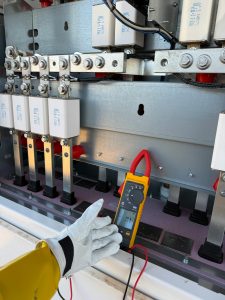
Electrical work has a way of looking simpler than it is. A light fixture hangs from a junction box, a breaker panel sits neatly in the garage, and a dead outlet seems like a small nuisance until it is not. The problem is that most residential electrical systems hide their complexity behind finished walls, labeled switches, and familiar routines. What a homeowner sees is Residential Electrician the surface. What a licensed residential electrician sees is load, code, grounding, fault paths, heat, capacity, and risk.
That difference matters.
A properly licensed electrician does more than install wires and devices. They bring training, field judgment, accountability, and a working understanding of how a home functions as a complete electrical local residential electrician system. In practice, that can mean the difference between a reliable upgrade and an expensive callback, between a nuisance trip and a hidden fire hazard, between a quick fix and a problem that keeps resurfacing because the root cause was never addressed.
Homeowners often reach out to an electrician at stressful moments. The lights flicker during storms. A breaker trips every time the microwave and toaster run together. An older panel raises concern during a home sale. A remodel needs new circuits, or an EV charger is suddenly part of the plan. These are common situations, but they are not interchangeable. Each one requires a specific kind of diagnosis, and that is where working with a licensed professional pays off.
Licensing is more than a formality
People sometimes treat licensing like paperwork, a box to check before someone starts a job. In reality, a license usually reflects a much deeper standard. While the exact requirements vary by state or municipality, licensed electricians generally complete formal training, spend years in apprenticeship or supervised fieldwork, and pass exams that test code knowledge, safety practices, and technical understanding.
That process matters because electrical work is unforgiving. Plumbing leaks tend to reveal themselves. Carpentry mistakes are often visible. Electrical defects can sit quietly for months or years, generating heat behind a wall or creating intermittent failures that seem random until they become dangerous.
A licensed residential electrician is trained to think beyond the immediate symptom. If a bedroom receptacle is dead, the issue may not be the receptacle itself. It may be a failed backstab connection upstream, a tripped GFCI in another part of the house, a loose neutral, a damaged conductor, or an overloaded branch circuit. Replacing the outlet without understanding the circuit can restore power temporarily while leaving the underlying hazard in place.
Licensing also creates accountability. A licensed contractor usually works under state or local rules that govern permits, inspections, insurance, and workmanship. If something goes wrong, the homeowner has a clearer path to recourse than they would with an unlicensed handyman offering electrical work on the side.
Safety is the most obvious benefit, but not the only one
Most people immediately think about shock hazards, and rightly so. Household systems may be common, but they are not harmless. Standard residential voltage is enough to injure or kill, and arc faults or overheated conductors can ignite framing, insulation, or accumulated dust without much warning.
Still, safety goes beyond avoiding immediate injury. A licensed residential electrician is evaluating several layers at once. They are looking at conductor size, breaker sizing, box fill, grounding continuity, AFCI and GFCI protection, bonding, terminations, and the condition of existing materials. They are asking whether a proposed change fits the home’s service capacity and whether the system can carry the added load without creating voltage drop, nuisance tripping, or equipment stress.
That kind of evaluation becomes especially important in older homes. I have seen houses where previous work looked tidy from the outside but revealed a patchwork of mixed wire types, open splices, shared neutrals handled incorrectly, bootleg grounds, and overloaded circuits once the covers came off. None of those issues advertise themselves clearly. They show up as warm outlets, odd flickering, buzzing dimmers, or electronics that fail sooner than expected.
Hiring a licensed electrician reduces the chance that a repair creates a second, less visible problem. A rushed DIY fix might restore a ceiling fan but compromise the box support. A replacement breaker might fit physically in a panel but not be listed for that equipment. A new appliance circuit might operate for now but violate code or exceed recommended load conditions. The danger is not always immediate. Sometimes it builds quietly.
Code knowledge protects the house and the homeowner
Electrical code can feel abstract until you understand what it is trying to prevent. Most of the rules homeowners encounter are written in response to real failure patterns, real fires, and real injuries. Spacing requirements for receptacles, GFCI protection near water, AFCI protection in living spaces, dedicated circuits for certain appliances, proper grounding and bonding, box sizing, and service clearances all exist for reasons rooted in field experience.
A licensed residential electrician works inside that framework every day. They know that code is not just about passing inspection. It is about building margin into the system.
That matters during renovations and upgrades. Suppose a homeowner wants recessed lights added in a family room, under-cabinet lighting in the kitchen, and a few outdoor receptacles for holiday lighting. None of those requests sounds especially large on its own. But combined, they raise questions about existing circuit loads, proper protection, fixture ratings, weather resistance, and the condition of the service panel. A licensed electrician can sort through those details before the project turns into a chain of small mistakes.
Code compliance also matters when a property changes hands. Home inspectors frequently flag double-tapped breakers, missing panel knockouts, improper grounding, exposed splices, reversed polarity, and DIY additions in garages or basements. Those findings can delay closings, trigger repair credits, or force sellers into last-minute negotiations. Work done by a licensed electrician is easier to document, easier to explain, and more likely to satisfy buyer concerns.
Diagnosis is where experience shows up
Installation skill is important, but troubleshooting is where seasoned electricians often prove their value. Diagnosing electrical issues is less like following a recipe and more like reading a system that may have been altered over decades.
Take flickering lights as an example. Homeowners often assume the fixture is failing. Sometimes it is. But flickering can also come from a loose neutral, a deteriorating service connection, a bad dimmer match with LED lamps, a problem in the panel, or a large motor load cycling elsewhere in the house. The right fix depends entirely on what is actually happening.
The same is true with tripping breakers. A breaker may trip because the circuit is overloaded, because the breaker itself is weak, because an appliance has an internal fault, because there is a short in damaged cable, or because AFCI protection is correctly identifying an arcing condition. Replacing the breaker without testing and inspection may solve nothing.
An experienced residential electrician approaches these calls methodically. They ask when the problem started, whether it happens at certain times of day, whether weather affects it, what was added recently, and whether it is isolated to one circuit or scattered throughout the home. They test, inspect, and narrow the fault before recommending work. That process saves money because the homeowner is paying for a targeted repair, not for guesswork.
I have watched cases where homeowners swapped outlets, bulbs, switches, and fixtures over weeks, only to learn the real issue was a failing neutral connection at a wirenut in the attic or corrosion at an exterior component. The cost of trial-and-error parts, wasted time, and escalating frustration often exceeds the price of professional troubleshooting from the start.
Proper work can save money, even when the estimate is higher
The sticker price of licensed work can feel higher at first glance. That is one reason some homeowners are tempted by the cheapest bid or by informal labor. But the lower number on day one is not always the lower cost over the life of the job.
Licensed electricians carry business overhead that supports the work: training, insurance, tools, testing equipment, permits where required, office support, continuing education, and often warranties on labor. Those costs are built into the estimate, but they also support a more reliable result.
The hidden costs of poor electrical work add up quickly. A misdiagnosed problem leads to repeat service calls. Improperly installed devices fail early. Unpermitted work can complicate insurance claims or home sales. Code violations discovered during a remodel may require opening finished walls to correct. In the worst cases, fire damage or equipment loss dwarfs any initial savings.
There is also the question of efficiency. A licensed residential electrician can often complete in a few hours what might take a homeowner an entire weekend, and with less disruption. They know how to route cable cleanly, how to work in crowded panels, how to spot signs of earlier modifications, and how to finish the work so future service is easier. That speed is not rushed work. It is practiced work.
Insurance, permits, and liability are not side issues
These subjects are easy to overlook until something goes wrong. Then they become central.
When a licensed electrician performs residential work, there is usually a clearer framework for permits, inspections, and insurance. If the job requires a permit, the contractor can typically pull it. If an inspection is needed, the work can be reviewed by the authority having jurisdiction. That process protects the homeowner by adding another set of eyes and by creating a documented record.
Insurance matters just as much. If an unlicensed worker is injured on the property, liability can become complicated. If defective work causes damage later, the homeowner may have limited options for recovery. Some insurers may also take a harder look at claims involving undocumented or noncompliant electrical modifications.
This becomes particularly relevant for larger upgrades such as service changes, panel replacements, generator interlocks, whole-home surge protection, rewiring, or additions. These are not casual repairs. They affect the house at a systems level and often intersect with utility requirements, local inspection rules, and strict installation standards.
Modern homes demand more from electrical systems
A house built 30 or 40 years ago was designed for a very different pattern of use. It may have served a television, a few lamps, a refrigerator, and standard kitchen appliances reasonably well. Today, that same house may be expected to support home offices, multiple large screens, gaming equipment, high-wattage countertop appliances, electric vehicle charging, smart home devices, heat pumps, and outdoor living spaces with lighting and entertainment equipment.
That growing demand exposes weaknesses in older systems. Panels fill up. Circuits run near capacity. Outlets in the wrong places encourage dangerous extension cord habits. Grounding methods that were once accepted may no longer provide the level of protection a modern household expects.
A licensed residential electrician can help homeowners plan for these changes instead of reacting to them one inconvenience at a time. Sometimes the solution is simple, such as adding a dedicated circuit for a home office or replacing worn receptacles in a heavily used room. Other times it points to a broader recommendation, such as a panel upgrade, service expansion, or partial rewiring in older sections of the home.
Good electricians also understand sequencing. If a homeowner intends to add an induction range next year and an EV charger after that, it may make sense to evaluate service capacity now rather than paying for piecemeal work that has to be reworked later.
Quality workmanship shows up years later
One of the odd truths about electrical work is that the best jobs are often the least noticeable. There is no drama. Switches work cleanly. Receptacles hold plugs firmly. Breakers are labeled clearly. Fixtures do not flicker. New circuits are balanced sensibly. The panel remains organized, and future service technicians can understand what they are looking at.
That kind of workmanship reflects habits developed over time. A licensed electrician tends to think about serviceability and longevity, not just whether the power comes on before they leave. They pay attention to conductor management, proper torque, device quality, compatibility, support, and labeling. None of that makes for a flashy before-and-after photo, but all of it matters.
A homeowner usually notices the value later, when another project comes along or when there is a need to troubleshoot an unrelated issue. Clean, code-conscious work is easier to inspect, easier to expand, and less likely to hide surprises.
Some projects especially call for a licensed residential electrician
While nearly any electrical task benefits from professional handling, a few categories deserve particular caution because the risks and code implications are higher.
- Service panel replacements or upgrades
- EV charger installations
- Whole-home rewiring or knob-and-tube replacement
- Generator transfer equipment or interlock setups
- Kitchen, bathroom, or outdoor electrical additions
Each of these affects safety, load management, or critical protection in ways that go beyond simple device replacement. They also tend to trigger permit requirements in many areas.
The value of judgment, not just technical skill
There is a difference between knowing how to do something and knowing when it should be done, when it should be postponed, and when a seemingly reasonable request is actually the wrong approach. That is where professional judgment comes in.
For example, a homeowner may ask to add more outlets to a heavily used room because plugs keep piling up on power strips. A less careful installer might simply extend the existing circuit. A stronger electrician will ask what is being used there, measure the load profile, and determine whether a new dedicated circuit is the safer long-term solution.
The same applies to panel replacement conversations. Sometimes a panel truly needs to go because of age, damage, corrosion, recall history, overheating, or lack of safe capacity. Sometimes the issue is narrower, such as poor labeling, a few overloaded circuits, or a specific breaker problem. A licensed electrician should be able to explain the difference clearly, without pushing the largest possible job when a smaller correction would genuinely solve the problem.
That ability to exercise restraint is one of the most underrated benefits of hiring a qualified professional. Good tradespeople know that trust is built not by selling the biggest project, but by making the right call.
Communication matters more than homeowners expect
Technical competence is essential, but communication often determines whether a project feels smooth or stressful. A strong residential electrician explains what they found, what needs immediate attention, what can wait, and why. They talk in practical terms, not just code citations.
That is especially useful when budgets are real and not every issue can be addressed at once. Many homes have a backlog of electrical concerns, some urgent, some cosmetic, some strategic. A licensed electrician can help prioritize.
A sensible way to think about those priorities is often this:
- Immediate hazards, such as overheating, exposed conductors, water intrusion, or signs of arcing
- Functional failures, such as dead circuits, failing breakers, or critical appliance issues
- Capacity improvements, such as dedicated circuits, panel space, or service upgrades
- Convenience upgrades, such as better lighting, USB receptacles, dimmers, or outdoor power
That kind of staging lets homeowners make decisions with a clear head. It also builds confidence that the contractor is approaching the house as a whole system rather than chasing isolated tickets.
A better experience during renovations and home improvements
Electrical work touches almost every meaningful home improvement project. Kitchens, bathrooms, basements, additions, decks, garages, and landscape lighting all involve power, protection, and often permit coordination. When the electrician is licensed and experienced in residential settings, the broader project tends to run better.
They can coordinate with other trades, anticipate inspection requirements, and flag conflicts early. If a cabinet layout changes, appliance specs shift, or a bathroom plan adds heated flooring, the electrical design often has to move with it. An electrician who regularly works in homes understands those moving parts and can adapt without turning every adjustment into chaos.
This coordination is particularly important in older homes where opening walls tends to reveal surprises. Hidden junctions, abandoned circuits, undersized boxes, and undocumented modifications are common. A licensed residential electrician is more likely to recognize what needs correction right away and what can be integrated sensibly into the renovation scope.
Peace of mind is a real benefit, even if it is hard to price
Homeowners rarely think about their electrical system when everything is functioning well. That is exactly how it should be. The system should be dependable, quiet, and unobtrusive.
Working with a licensed electrician helps create that normalcy. It reduces second-guessing after the job is done. It means fewer nagging doubts about whether the new circuit is overloaded, whether the outdoor receptacle is protected correctly, or whether the panel work will become a problem at resale.
There is comfort in knowing that someone trained and accountable evaluated the system, performed the work properly, and stood behind it. That peace of mind is not abstract. It affects how confidently people use their homes, plan future upgrades, and respond when issues arise.
For many homeowners, the best outcome is not dramatic. It is simply a house where the lights stop flickering, the panel makes sense, the renovation passes inspection, and the added load from modern life no longer feels like a gamble. That is the practical benefit of working with a licensed residential electrician. You are not just paying for labor. You are paying for safety, judgment, durability, and a standard of work that holds up long after the truck pulls away.
Paxos Electric Company, LLC
255 NJ-15, Wharton, NJ 07885, United States
+1 973-598-8543
FAQ About Residential Electrician
What does a residential electrician do?
A residential electrician installs, inspects, maintains, and repairs electrical systems in homes. Common services include troubleshooting circuits, replacing panels, adding outlets and lighting, and completing electrical work for renovations.
When should I call an electrician for my home?
Call a licensed electrician if you notice repeated breaker trips, flickering lights, buzzing, burning odors, warm outlets, sparks, or unexplained power loss. Urgent warning signs should be addressed promptly.
Can a residential electrician upgrade an electrical panel?
Yes. A qualified electrician can evaluate the existing service, determine whether an upgrade is appropriate, obtain required permits, and install a panel sized for the home and planned electrical loads.
Do I need an electrician to install an EV charger?
A home EV charger often needs a dedicated circuit and a review of panel capacity. A licensed electrician can confirm the manufacturer requirements and complete the installation according to local electrical codes.